How Licensing Shapes Jackpot Mechanics Across Mobile Payment Systems
Casey Powell · Aug 19, 2026
How Licensing Shapes Jackpot Mechanics Across Mobile Payment Systems
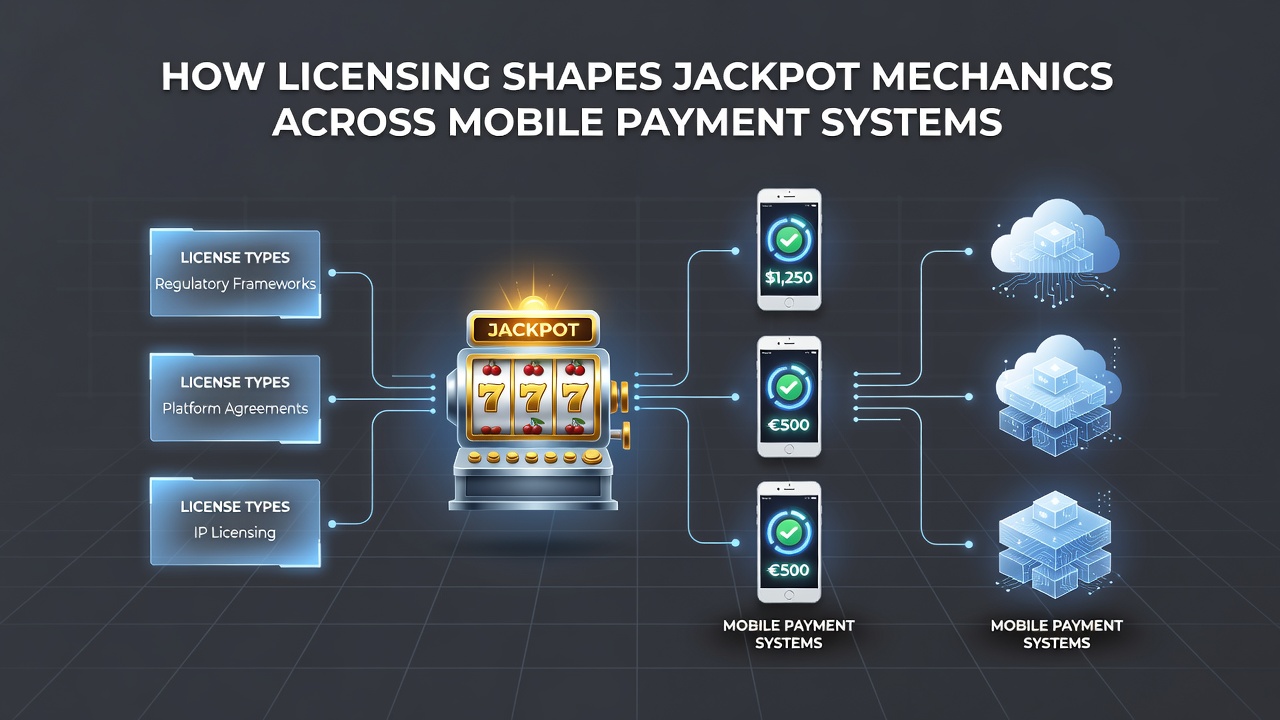
Regulatory frameworks determine how operators structure progressive jackpots when mobile payments enter the equation. Licensing authorities set strict rules on prize pools, contribution rates, and payout verification processes that directly affect mechanics across platforms using services such as Apple Pay and Google Pay. Different jurisdictions impose varying requirements on seed amounts, reserve funds, and cross-border pooling, which forces providers to adjust their systems accordingly.Regional Licensing Requirements and Jackpot Pool Management
European regulators outside the UK, including the Malta Gaming Authority, require licensed operators to maintain separate accounts for jackpot contributions and to report real-time balances to oversight bodies. These conditions mean mobile payment transactions must route through verified channels that automatically allocate portions of each bet to the pool while maintaining audit trails. Data from the authority shows that contribution percentages typically range between 1 and 3 percent of wagers, with exact figures tied to the specific license class held by the operator.
In North America, state-level bodies such as the New Jersey Division of Gaming Enforcement enforce additional layers of control. Operators must demonstrate that jackpot software isolates mobile transactions from other payment methods to prevent commingling of funds. This separation affects how progressive meters update when players fund accounts through digital wallets, because each transaction type carries its own compliance tag that the system must recognize instantly.
Mobile Payment Integration Under Licensed Conditions
Payment processors operating under licensed frameworks must align their APIs with the technical standards set by gambling authorities. In Ontario, the Alcohol and Gaming Commission requires that all mobile deposits undergo identity verification before any portion reaches a jackpot pool. This step adds latency to the process yet ensures that only eligible wagers contribute to the meter. Observers note that systems handling this workflow often employ middleware layers that tag each Apple Pay or Google Pay session with jurisdiction-specific metadata.
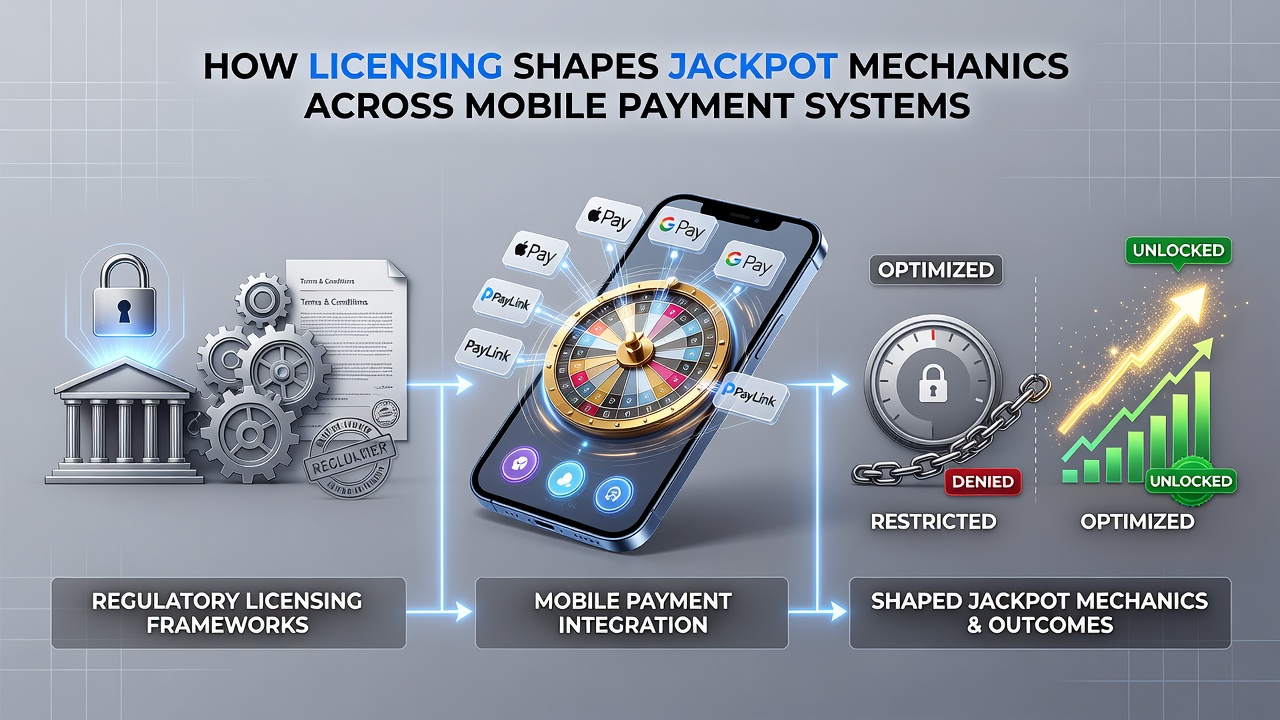
Research published by the Gambling Research Exchange Ontario indicates that licensed platforms using tokenized mobile payments experience fewer discrepancies in jackpot calculations compared with those relying on traditional card processing. The study examined transaction logs from 2024 through early 2026 and found that tokenization reduces chargeback rates by approximately 18 percent, which in turn stabilizes the reserve funds that back large progressive prizes.
Impact on Progressive and Linked Jackpot Structures
Licensing conditions frequently dictate whether jackpots can link across multiple operators or remain confined to a single brand. In jurisdictions that permit multi-operator networks, mobile payment flows must carry additional identifiers that allow the central system to allocate contributions accurately. Australian state regulators, for instance, require clear documentation of how wallet-based deposits interact with linked progressive systems, including rules on currency conversion and cross-border settlement.
Those who manage these networks report that August 2026 saw several licensed operators update their pooling algorithms to accommodate new mobile payment protocols released by major wallet providers. The changes ensured that contribution rates stayed consistent even when transaction speeds increased due to updated contactless standards. Figures released by industry monitoring groups reveal that average jackpot growth rates remained steady despite the technical adjustments.
Compliance Challenges and Technical Adjustments
Operators holding multiple licenses must maintain parallel jackpot engines that satisfy each authority’s data retention and reporting schedules. Mobile payment systems add complexity because wallet providers apply their own security layers that sometimes conflict with gambling-specific encryption mandates. Engineers typically resolve these conflicts by creating modular code that activates different rule sets depending on the player’s detected jurisdiction.
Industry reports from the European Gaming and Betting Association highlight that successful implementations rely on real-time reconciliation tools capable of matching every mobile deposit to its corresponding jackpot contribution within seconds. These tools reduce the risk of underfunding or overfunding prize pools, both of which can trigger regulatory penalties.
Conclusion
Licensing continues to define the boundaries within which mobile payment systems operate when connected to jackpot mechanics. Authorities across regions set the parameters for pool management, transaction tagging, and reporting frequency that operators must follow. As mobile wallet technology evolves, licensed platforms adjust their architectures to maintain compliance while preserving the integrity of progressive prize structures. Data collected through 2026 shows that these adjustments have produced measurable improvements in transaction accuracy and fund security across regulated environments.